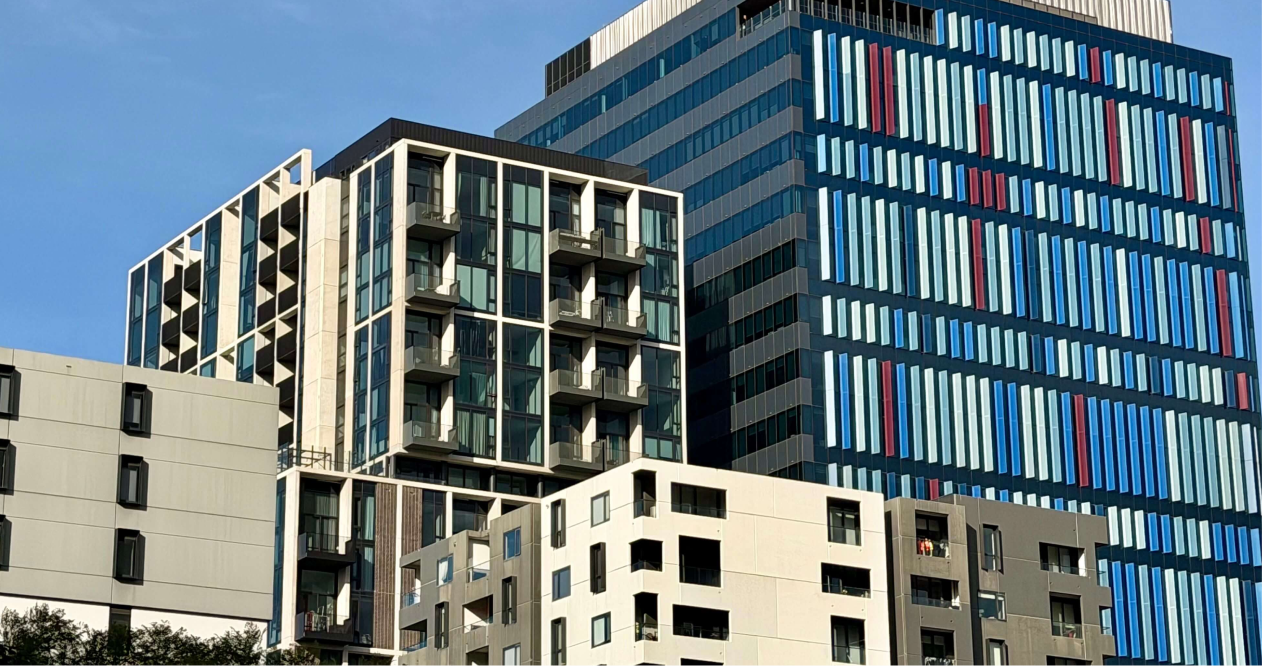
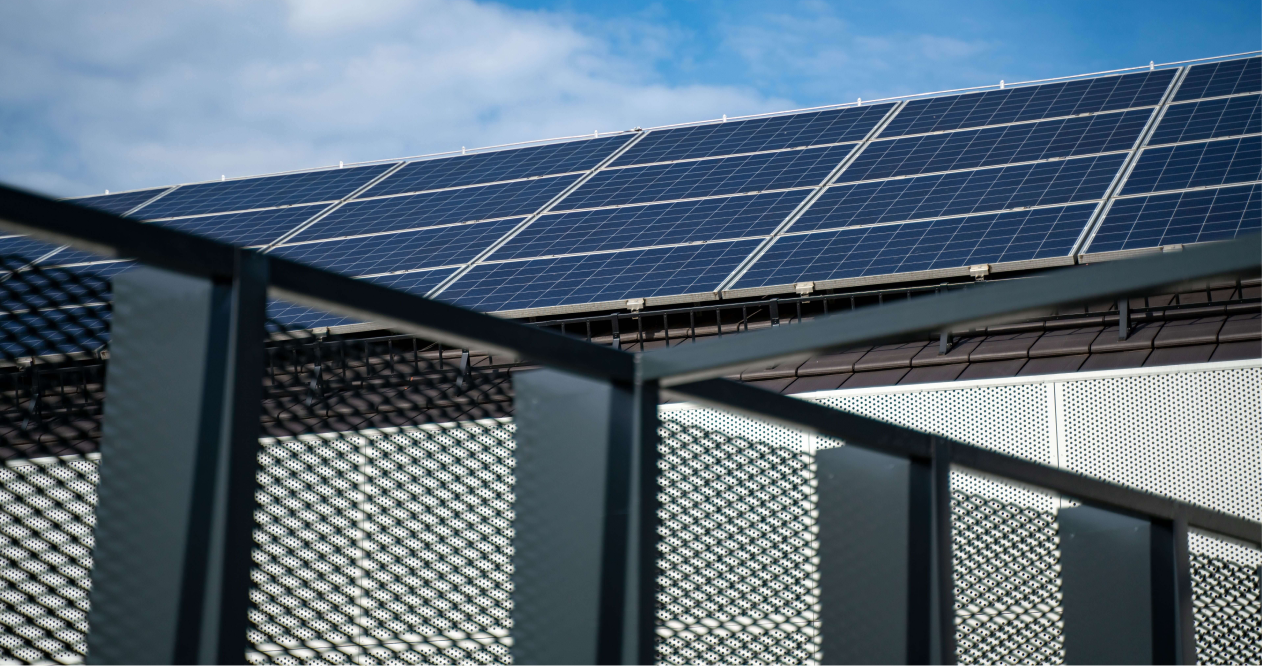
Solar was the easy one. Panels go on the roof, owners corporations save on common-area power, the business case is straightforward. Most apartment buildings that can install solar already have, or have a clear path to.
The next wave of strata energy technology is more layered, and more practical. The technologies that actually pay back in apartment buildings are not always the ones that get the most press. Batteries and virtual power plants attract the headlines. Smart meters, heat pumps, EV charging and modern controls do most of the real work.
Here is a focused look at the technologies reshaping strata energy in practice, what each one does, and what a committee should look for before approving anything.
1. Smart meters and sub-metering
This is the most undervalued technology in strata energy, and, in our view, the single best place for any committee to start.
Most strata schemes operate on a single common-area meter, with retailer-provided interval data that arrives weeks or months later. That arrangement is enough to pay a bill, but it is nowhere near enough to make a decision. The committee sees how much energy the building used, but not where, when, or why.
Smart sub-metering breaks that single feed into individual circuits: ventilation, lifts, hot water, pool plant, car park lighting, common-area HVAC. Each load reports in close to real time. Within a few weeks, the committee has the kind of visibility that turns every later energy decision from a guess into a measured choice.
The cost is modest, the install is non-invasive, and the data unlocks better outcomes on every project that follows. A lighting upgrade gets sized to the right hours of use. A hot water retrofit gets sized to the right tank volume. A solar proposal gets tested against the building’s actual load instead of an installer’s spreadsheet.
What to look for. Open data formats so you are not locked into one vendor. Automated reporting that is committee-ready rather than a raw data dump. Integration with any existing building management system. And a clear path from monitoring into action, not just dashboards for the sake of dashboards.
2. Heat-pump hot water
Centralised gas hot water is one of the largest, oldest and least visible energy costs in many strata buildings. It is also the single biggest retrofit opportunity most committees never seriously consider.
A heat-pump system replaces the gas boiler with an electric system that runs at three to four times the efficiency of resistive electric heating. Gas standing charges disappear. The system pairs naturally with solar in a way gas never could. State and federal rebates are increasingly making the up-front economics work.
For buildings on centralised gas hot water, the project is not always small. Plant rooms need to be checked for noise compliance and refrigerant servicing. Sizing has to match actual demand profiles, not just nameplate ratings. But once the system is in, it tends to pay back faster than any other capital project on the building’s list.
What to look for. Noise compliance for plant rooms and balcony installations. Refrigerant type (natural refrigerants like CO2 are increasingly preferred in apartment-scale systems). Sizing matched to real demand data rather than a generic load curve. And ongoing service support, which matters far more on a 50-unit hot water plant than on a single home.
3. EV charging infrastructure
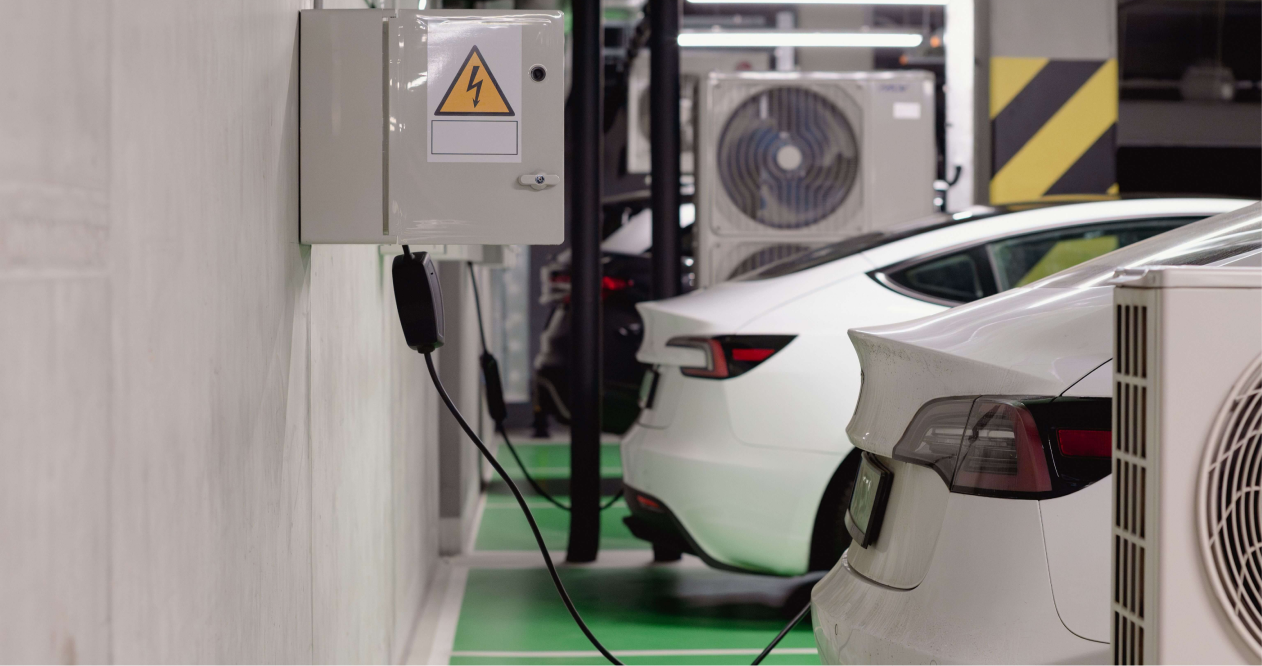
EV charging is now the most-asked-about topic in strata energy, and the one most likely to get a committee meeting overheated. New NSW and Victorian rules have moved the question from “should we allow this?” to “how do we deliver it?”
Done well, an EV charging rollout pays for itself through user-pays billing, demand-managed load (so the building never needs an expensive network upgrade), and the property value lift of an EV-ready building. Done poorly, it stresses common-area infrastructure and creates years of disputes about who paid for what.
What to look for. Load management capability so chargers share available capacity dynamically. Separate metering and billing for users, so EV consumption never lands in common-area expenses. A design built for the whole building, not just the first resident who asked. And a clear funding model, whether that is owner-paid, owners-corporation-paid, third-party-operated, or a mix.
4. Building management and lighting controls
The fourth technology is the most overlooked. Modern lighting controls (occupancy sensors, scheduled dimming, daylight harvesting) routinely shave 30 to 50 per cent off the energy use of carparks, lobbies and corridors. Building management systems do the same for ventilation, lifts and HVAC.
These are not glamorous projects, but they are reliable. Most can be retrofitted to existing fittings, the paybacks are typically two to four years, and they integrate cleanly with the sub-metering data from project one.
What to look for. Whether the controls work with the existing fittings rather than requiring a full replacement. Whether the system reports back into the building’s data platform. And whether the supplier provides ongoing tuning, not just an install-and-leave service.
A word on batteries and VPPs
Batteries and virtual power plants get a lot of headline space. The reality in strata is that both are still relatively rare. Common-area loads in many apartment buildings are not large enough to justify a battery on cost grounds alone, and the regulatory and operational complexity of VPP participation often sits awkwardly with how owners corporations make decisions.
There are exceptions, especially for larger buildings with strong solar generation and high evening common-area loads. But for most schemes, the four technologies above will deliver more value, faster, with less risk. When a battery does make sense, it should be sized off the smart-metering data from project one, not off an installer’s quote sheet.
Four questions to ask before approving any project
What does this technology save per year, in dollars, in current tariffs? What is the payback once rebates are included, and what is the payback if the rebate disappears? Who owns and maintains the asset over its life, and what happens if the supplier exits the market? How does this project integrate with the systems already on site, and the projects you are likely to do next?
If a proposal cannot answer all four clearly, it is not ready for a committee vote.
How Strata Energy Services helps
Every one of these technologies has a great use case and a bad one. Strata Energy Services is independent of any installer or manufacturer, which means we look at proposals on the numbers, not on whose product is being sold.
If your committee is being asked to approve any of the above, or you would like a building energy audit to work out which of them your building should actually pursue, visit strataenergyservices.com.au to start a conversation.
Sources
.png)